
B
I
O
F
L
U
E
N
T

Expertise
Drugs, Devices & Diagnostics
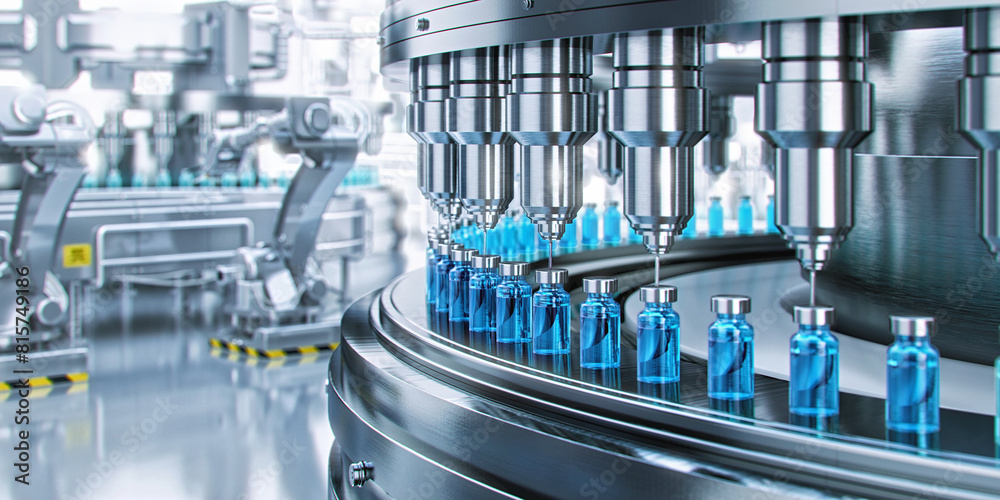
Drugs, Devices, and Diagnostics have entered into a new era of biotechnology. We are here to help you create impact and make a splash.
Drugs
The diversity of what it means to be a pharmaceutical drug in today’s landscape is astonishing. Small molecules are still a gold standard for ease of manufacturability and formulation, but the excitement in the industry is around PROTACs, antibody-drug conjugates (ADCs), and of course cell & gene therapies. The newness and potential of these ‘drugs’ is what’s invigorating, but it’s also what makes them somewhat of a hard sell to investors, regulatory agencies, providers, and the public. As biotechnology advances, so do the complicated scientific methodologies used to research, develop, and manufacture novel therapies. For these reasons, clear communication is absolutely essential to move forward. Biofluent writers are highly skilled at translating highly technical biological methods to a wide range of audiences.
Devices
From testing to treatment, a single patient may experience the use of numerous and diverse medical devices. From simple, long-standing devices like stethoscopes and ultrasound machines, to more complex devices like implantables and wearables, medical devices create a complex symphony of care. As medical devices evolve to incorporate novel technologies, the care that is possible expands, and patients can breathe easier. However, these new technologies can be scary for investors, partners, providers, and patients when implementation and impact are unclear. Devices like neural lace or organ-on-a-chip sound game-changing by name, but explaining what they actually are and how they work on a fundamental level is a difficult task. Communication of the scientific nuances along with the greater impact is key for investment, adoption, and public trust. Biofluent writers are skilled at translating the scientific details and revolutionary vision to a wide range of audiences in order to ? evoke?
Diagnostics
As precision medicine continues to integrate into our world of medical care, diagnostics are becoming increasingly important to properly diagnose and pair with precision therapeutics. Just as drugs are evolving and becoming more complex, diagnostics are also entering a new frontier. Tissue biopsies, ELISAS, imaging, and cell culture are not going anywhere anytime soon, but the industry is now looking forward to the world of -omics, AI, and wearables. Techniques like liquid biopsies, while easy on the patient, have their own set of complications such as provider adoption, actionability of results, sensitivity, and reproducibility. Similar complications exist for AI and wearable technologies, and while new diagnostic techniques will eventually revolutionize medical treatment, today they need more research and a strong content campaign to continue the excitement and eventual adoption. Companies developing novel diagnostics need continued investment and partnerships that will be driven by strong communication of their potential impact to patient care. Biofluent writers understand the urgency to share new research, results, and nuances of innovative, cutting-edge diagnostics.